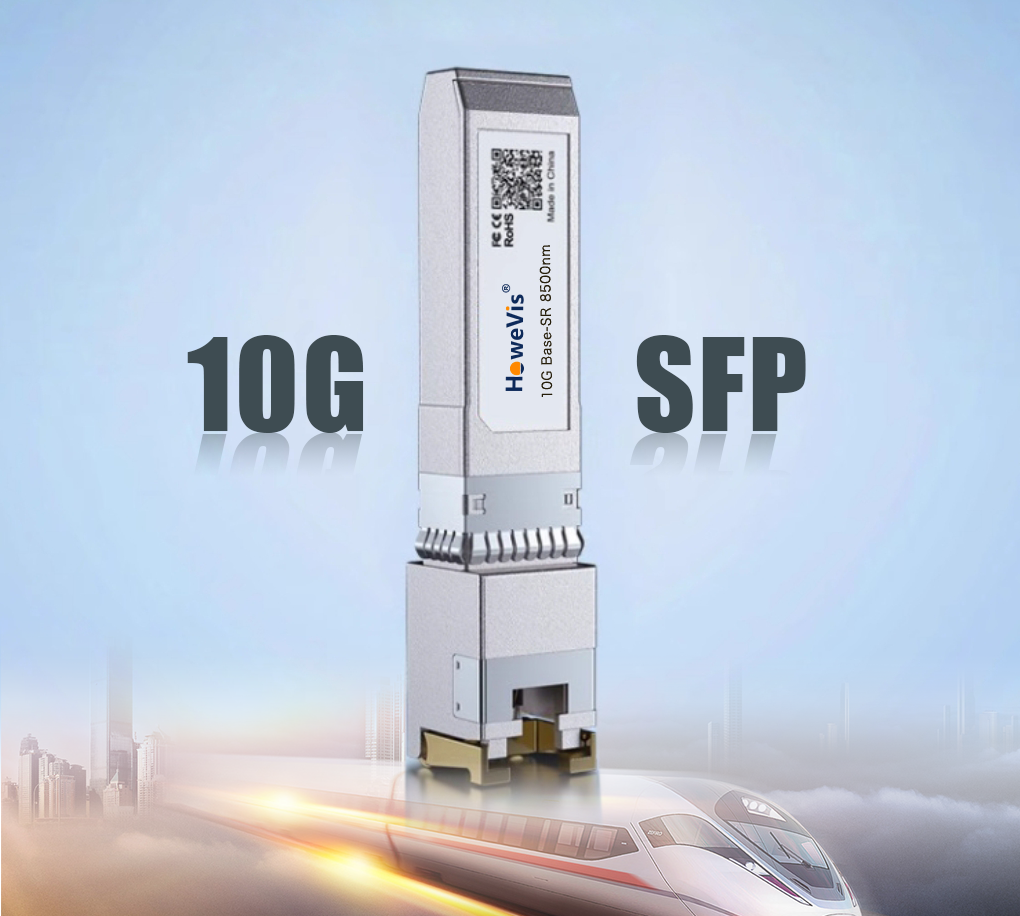
As of 2026, 10G SFP+ remains a foundational technology for enterprise access layers, industrial automation, and edge computing due to its unparalleled balance of cost, power efficiency, and mature ecosystem. While 25G and 100G have dominated the data center core, the 10Gbps standard continues to be the “sweet spot” for connecting high-performance workstations, WiFi 7 access points, and industrial IoT gateways.
Suggested Reading: How many Mbps is 10 Gigabit Ethernet?
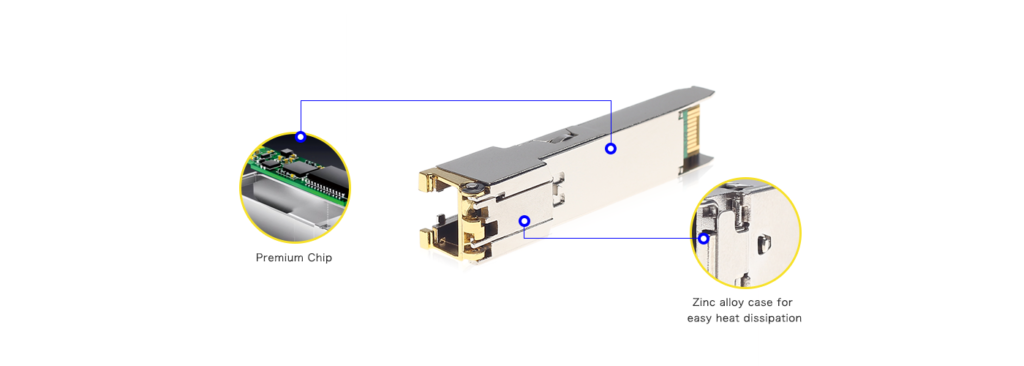
What Is 10G SFP+? A Complete 2026 Guide to 10GbE Transceivers
You may have heard of different terminologies, such as 10Gbase—T, 10G SFP, and 10G SFP+. These are all 10 gigabit Ethernet systems, but they have different functionalities and ensure various network performances.
Before exploring the 10G SFP+, we must know what 10G SFP is and how it differs from the 10G SFP+.
What is SFP?
SFP refers to the small form pluggable factor. In actuality, it is a form of 10 Ethernet Transceiver that enables both:
- Data Communication
- Telecommunications
With these features, you can manage high data speed. The SFP works with small form factors (SFF) connectors that ensure high data speeds and physical compactness.
So, what is the 10G SFP+, then?
In most cases, 10G SFP+ is an enhanced version of the SFP transceivers that supports the high data speeds of 10 Gbps or more. Manufacturers reuse the existing designs of the SFP to operate the SFP+.
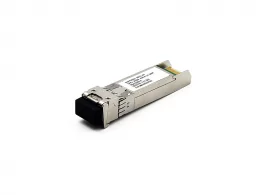
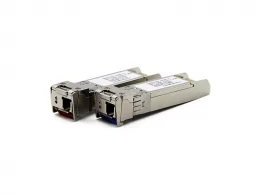
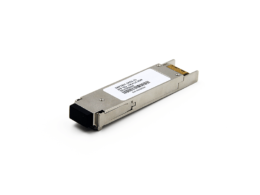
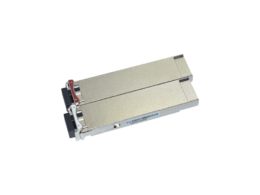
How does the 10G SFP+ work?
10G SFP is nothing new in technology except for the enhanced features of 10G Ethernet. It offers many different features.
Since it is an Ethernet technology, you must know many factors about the 10G SFP+ before working on this 10G network.
- You can consider it in both forms— electro-optic and optical fiber.
- LAN has the same range as the 10G Ethernet of 100 meters.
So, you can expect better performances from the technology.
Suggested Reading: Is 10 Gigabit Ethernet worth it for home use?
Main Types of 10G SFP+ Transceivers
10G SFP+ modules vary by medium (fiber or copper), wavelength, and reach. Here’s a comparison of the most common types:
| Type | Standard | Wavelength | Fiber/Cable Type | Max Distance (typical) | Common Use Case | Connector | Power Consumption (approx.) |
|---|---|---|---|---|---|---|---|
| SR (Short Range) | 10GBASE-SR | 850 nm | Multimode (OM3/OM4) | 300 m (OM3), 400 m (OM4) | Intra-rack or data center short links | Duplex LC | ~1 W |
| LR (Long Range) | 10GBASE-LR | 1310 nm | Single-mode (SMF) | 10 km | Building-to-building, campus | Duplex LC | ~1 W |
| ER (Extended Range) | 10GBASE-ER | 1550 nm | Single-mode (SMF) | 40 km | Metro/enterprise long links | Duplex LC | ~1.5 W |
| ZR | 10GBASE-ZR | 1550 nm | Single-mode (SMF) | 80 km | Long-haul, service provider | Duplex LC | ~1.5–2 W |
| LRM | 10GBASE-LRM | 1310 nm | Multimode (often with mode-conditioning patch) | 220 m (FDDI/OM1/OM2), up to 300 m (SMF) | Legacy multimode upgrades | Duplex LC | ~1 W |
| DAC (Direct Attach Copper) | 10GBASE-CU | N/A | Twinax copper cable | 1–10 m (passive), up to 15 m | Rack-to-rack, low-cost short links | Fixed SFP+ plugs | Very low (~0.1–0.5 W) |
| AOC (Active Optical Cable) | N/A | N/A | Fiber optic cable | 3–100 m | Longer short-reach, EMI-free | Fixed SFP+ plugs | Higher than DAC (~1–2 W) |
| 10GBASE-T (Copper RJ45) | 10GBASE-T | N/A | Cat6a/Cat7 copper | Up to 30 m (some 80 m variants) | Using existing copper infrastructure | RJ45 | Higher (2–2.5 W, runs hot) |
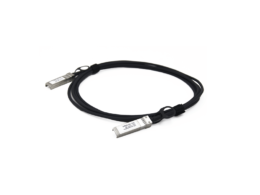
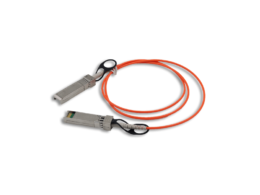
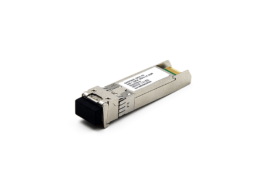
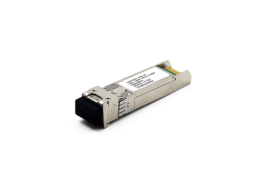
Other variants include BiDi (bidirectional over single fiber), CWDM/DWDM (wavelength-division multiplexing for metro/long-haul), and tunable options.
SFP+ Module Types Comparison: 10G vs 25G (Including Compatibility)
As networks evolve, comparing 10G SFP+ with 25G SFP28 is crucial for future-proofing. SFP28, an evolution of SFP+, supports 25Gbps using the same form factor but with enhanced signaling (e.g., NRZ modulation). While 25G offers 2.5x the bandwidth, it’s not always a direct upgrade due to higher power draw, cost, and compatibility nuances
| Feature | 10G SFP+ | 25G SFP28 | Compatibility Notes |
|---|---|---|---|
| Max Data Rate | 10 Gbps | 25 Gbps | SFP28 can downshift to 10G in SFP+ ports, but not vice versa. |
| Form Factor | SFP+ (same as SFP) | SFP28 (identical to SFP+) | Backward compatible: SFP+ modules fit SFP28 ports at 10G speeds. |
| Common Types | SR (300m MMF), LR (10km SMF), DAC (10m) | SR (100m MMF), LR (10km SMF), AOC (30m) | 25G types often require OM4+ fiber for optimal reach. |
| Power Consumption | 0.5–2.5 W | 1–3.5 W | 25G runs hotter; ensure switch cooling supports it. |
| Modulation | NRZ | NRZ (some PAM4 variants) | PAM4 in advanced 25G reduces reach but boosts efficiency. |
| Use Cases | Enterprise LANs, industrial IoT | Data centers, 5G fronthaul, AI clusters | 10G for cost-sensitive; 25G for high-bandwidth upgrades. |
| Cost (Third-Party) | $20–$100 | $50–$200 | 10G is cheaper for bulk deployments. |
| Backward Compatibility | Works in SFP ports at 1G (some) | Works in SFP+ ports at 10G | Ideal for phased migrations; test in your hardware. |
| Future Relevance (2026) | High in legacy/edge networks | Growing for AI/5G | 10G still dominant; 25G bridges to 100G. |
In terms of compatibility, most modern switches (e.g., Cisco Nexus, Arista 7000 series) support mixing 10G and 25G with firmware updates, but always verify MSA (Multi-Source Agreement) compliance. For example, inserting a 25G SFP28 into a 10G SFP+ port typically negotiates down to 10G, enabling smooth transitions without immediate hardware swaps.
Why 10G SFP+ Transceiver is your choice
Before choosing the 10G SFP+, you must consider multiple points. Here are some questions to answer.
- What are your network requirements?
- What do you need for your SFP+ transceiver?
- Do you want to ensure low latency?
Depending on these facts, I have listed five significant reasons for considering the 10G SFP+ transceiver.
Size and dimensions
The astonishing feature of the SFP+ transceivers is their small size and higher efficiency. They are half the size of old receivers and contain a higher port density per switch.
According to the latest versions of the 10G SFP+, a switch can contain 48 SFP+ ports in one rack unit configuration. Such a small size but higher power make it a favorite among users worldwide.
Maximum link length
Two facts determine the maximum link length:
- The copper wires
- Fiber Optic System
You can maximally send the signals to 100 meters in the copper wires. It is precisely a problem for distance transmission when you need to expand your signal range. It is where SFP+ comes into action. With single-mode and multiple-mode SFP+ systems, you can transmit signals to 80 kilometers, making it a powerful option for data centers and enterprises.
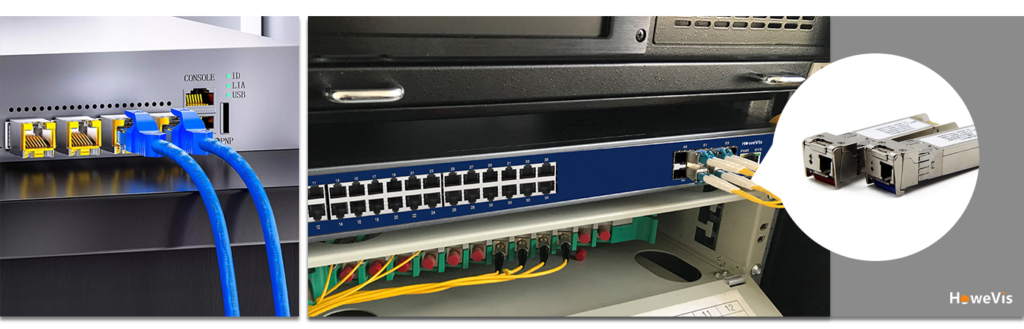
Industrial Applications: AI Edge Computing Case Studies
In industrial settings, 10G SFP+ is pivotal for edge computing, where real-time data processing meets harsh environments. Edge AI, combining artificial intelligence with localized computing, relies on 10G for fast, reliable data transfer from sensors to processors.
Case Study 1: Intel’s Smart Factory Solution Intel deploys 10G SFP+ in private 5G-enabled factories for AI workloads at the edge. Using modules like LR for single-mode fiber links, they integrate computer vision and machine learning to monitor equipment in real-time. In one deployment, 10G connectivity reduced latency to under 10ms, enabling predictive maintenance that cut downtime by 30%. This setup supports AR/VR for worker training and drone inspections, all while handling massive IoT data streams.
Case Study 2: Advantech’s Edge AI in Manufacturing Advantech’s MIC-730AI system, powered by NVIDIA Jetson, uses 10G SFP+ for high-precision textile inspection. In a factory upgrade, SR modules connected edge devices to central AI hubs, processing video feeds at 10Gbps for defect detection. This resulted in 20% higher accuracy and faster production lines, demonstrating 10G’s role in industrial IoT where 25G might be excessive for bandwidth needs.
Case Study 3: Siemens’ Automated Production Siemens leverages 10G SFP+ in edge computing for flexible manufacturing. By using DAC cables for short-haul links, they automate lines with AI-driven robotics, reducing human error and boosting efficiency by 25%. In oil and gas remote monitoring, ER modules extend connectivity to edge nodes for real-time asset health analysis.
These cases highlight 10G SFP+’s durability in industrial temps (-40°C to 85°C) and its cost-effectiveness for AI edge deployments, where data volumes are high but not hyperscale.
Buying Tips for 10G SFP+ Transceivers in 2026
Optimizing your purchase involves balancing performance, cost, and compatibility. Here’s an SEO-optimized guide with practical advice:
Assess Needs First: Measure link distance and fiber type. For short runs, opt for SR or DAC to save on power and cost.
Go Third-Party: Brands like LINK-PP, FS.com, or 10Gtek offer 80-90% savings over OEMs, with warranties and DOM support.
Prioritize DOM/DDM: Essential for monitoring optics health in real-time.
Temperature and Power: Choose industrial-rated for harsh environments; avoid high-power 10GBASE-T if heat is an issue.
Compatibility Guarantee: Buy from vendors with return policies and coding options.
Future-Proof: Consider dual-rate (10G/25G) modules for upgrades.
Avoid Fakes: Shop reputable sites; check reviews for your hardware.
Budget Range: $20-80 for basics; factor in cabling.
Sustainability: Look for low-power options to align with 2026 green standards.
Test Thoroughly: Use tools like iPerf for post-install validation.